Geography
Subject Leader: Mr Farmer
Intent
We are very fortunate to be situated in the Eden Valley, close to the historic market town of Penrith and just outside the Lake District National Park. Our stunning surroundings—characterised by dramatic landscapes, rich biodiversity and a strong sense of place—provide exceptional opportunities for experiential geographical learning.
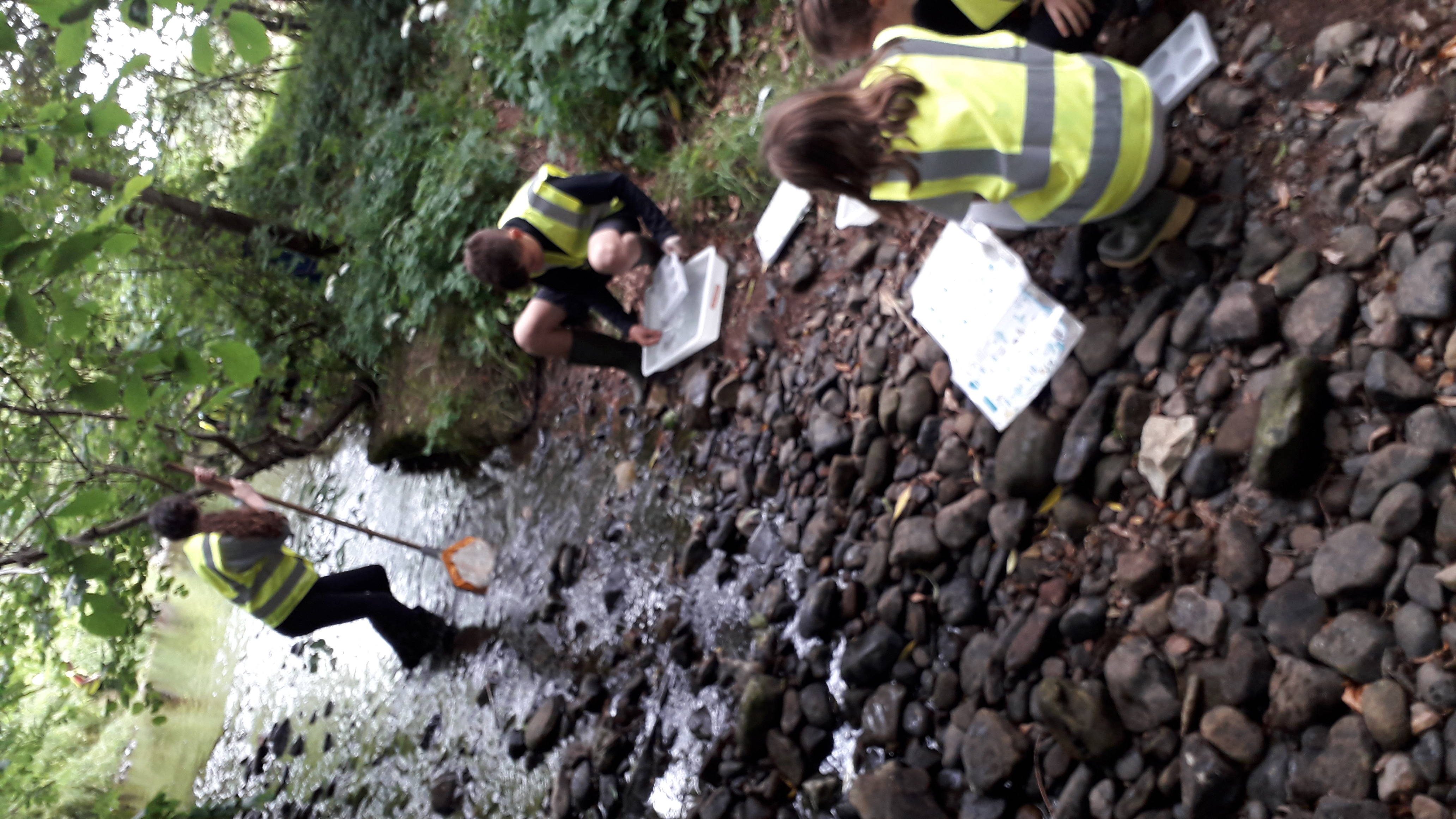
Our curriculum is designed to deepen children’s understanding of both physical and human geography by making full use of our local environment. Pupils explore a range of geographical features through first-hand experiences, whether this involves studying rivers at the National Trust’s Acorn Bank Gardens, investigating land use and settlement in our village, or exploring the wider landscapes of the Lake District. These authentic learning experiences help children develop curiosity about the world, strengthen their geographical knowledge and skills, and gain a meaningful understanding of how environments are shaped and sustained.
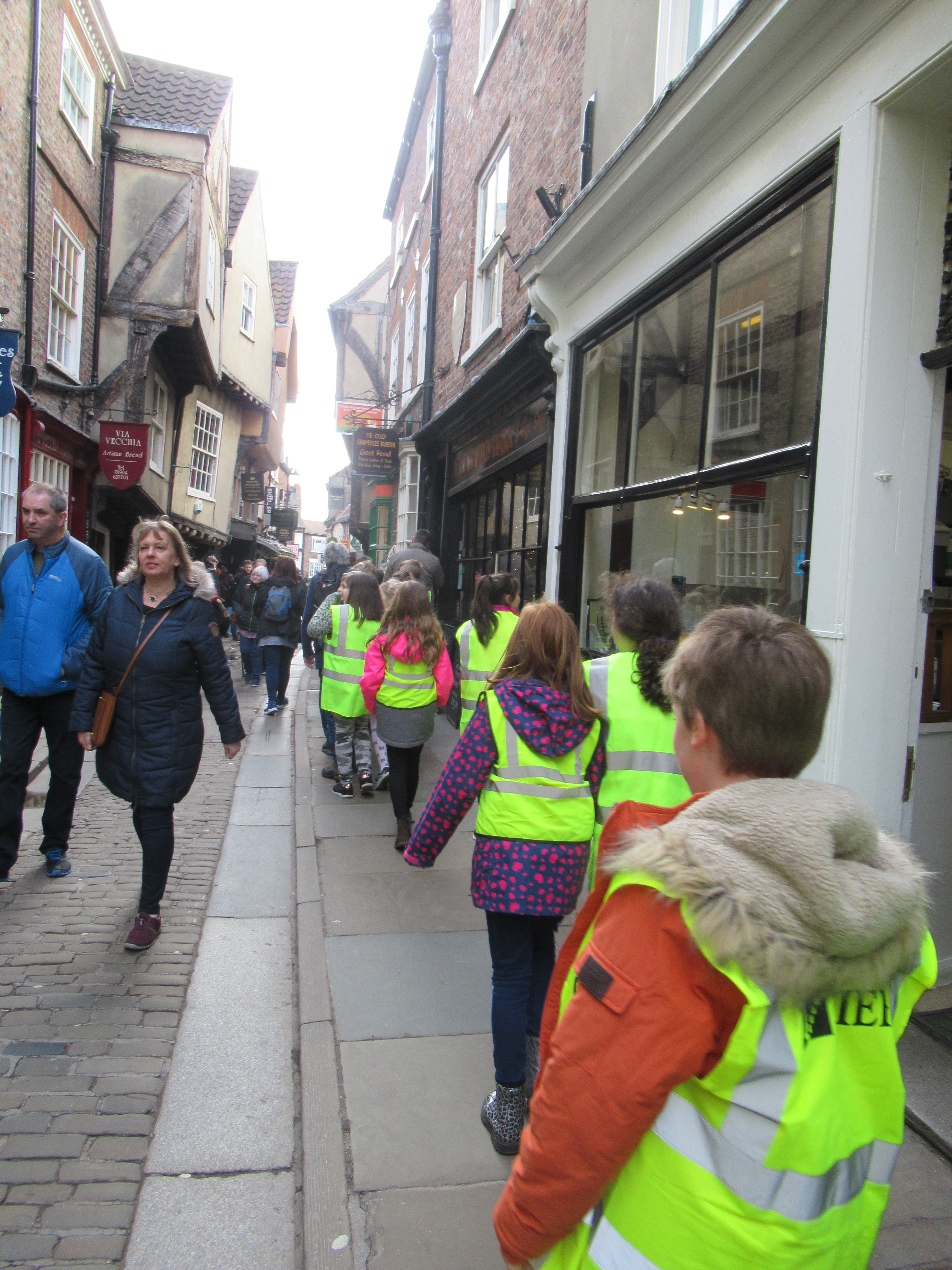
We also make full use of our residential visits to cities such as London and York to broaden children’s understanding of both human and physical geography. These experiences give pupils the opportunity to explore contrasting environments, develop their map-reading skills, and engage in meaningful fieldwork beyond the local area.
Through our carefully planned topics, we encourage children to ask and answer questions about the natural and human worlds. Pupils develop knowledge of places and environments across the globe, build confidence in using different types of maps, and apply a range of investigative and problem-solving skills both inside and outside the classroom.
Geography provides an important context for understanding environmental issues and the concept of sustainable development. We promote an active interest in caring for the planet, with examples such as members of our School Council taking part in the Cumbria and National Youth Climate Summits in recent years. Our geography curriculum also encourages pupils to reflect on their own place in the world, consider their values, and understand their rights and responsibilities towards other people and the environment.
Implementation
Geography at Temple Sowerby CE Primary School is taught through a rolling programme of termly and half-termly topics, ensuring full National Curriculum coverage of locational knowledge, place knowledge, human and physical geography, and geographical skills and fieldwork.
In addition to discrete geography lessons, we make effective use of cross-curricular opportunities to deepen pupils’ understanding. For example, coordinates and compass directions are reinforced through links with position and direction in maths, and the use of atlases, maps and plans is embedded in history topics such as the Romans. Science units exploring biodiversity also connect closely with the physical geography of our rich local environment.
We further enhance children’s learning by welcoming visitors with specialist expertise into school. In recent years, pupils have worked with organisations such as the Eden Rivers Trust and the Wildlife Trust, and have been inspired by talks from Arctic explorers and world travellers. These experiences enrich the curriculum and help pupils develop a broader understanding of the world around them.
Impact
By the end of EYFS, children gain a secure understanding of their immediate environment and the wider world. Through outdoor learning, exploration of local surroundings and themed activities, they learn to recognise key features of places and talk about what makes them special.
Children can describe simple similarities and differences between the places they know, and they begin to talk about maps and simple positional language. They observe seasonal changes, weather patterns and natural features, developing early geographical knowledge and vocabulary.
These early experiences foster curiosity, confidence and an appreciation of the world around them, ensuring children are well-prepared for more formal geographical learning in Key Stage 1.
By the end of Key Stage 1, children will have developed a secure geographical vocabulary and an understanding of their own locality, as well as one other contrasting small area within the United Kingdom and a small area in a non-European country. They will be able to use ICT, world maps, atlases and globes to identify places and features, and apply simple compass directions to describe location. Pupils will also be able to interpret aerial photographs and simple maps, and will have begun to use basic fieldwork and observational skills to study the geography of their school and its surrounding environment.
By the end of Key Stage 2, children will confidently use maps, atlases, globes and digital mapping to explore a wider range of places, including Europe, North America and South America. They will be able to locate counties and cities within the United Kingdom and describe their key physical and human characteristics. Pupils will compare and contrast regions within the UK, a region of a European country and a region in either North or South America, identifying geographical similarities and differences.
Children will also be able to describe and explain key aspects of physical and human geography, including climate zones, rivers and the water cycle, mountains, volcanoes and earthquakes, types of settlement, economic activity and the distribution of natural resources. Through this, they will leave primary school equipped with strong geographical knowledge, well-developed enquiry skills and an informed awareness of the world around them.