History
Subject Leader: Mr Farmer
Intent
We are fortunate to live in an area rich with the history of our nation. From Neolithic stone circles to evidence of Roman occupation, our local environment provides a wealth of opportunities for hands-on historical learning. Our history curriculum is designed to make the most of these unique resources, helping children understand how the past has shaped the place in which they live today.
Alongside exploring the history of our locality, children also learn about significant events from across the UK and the wider world. Through studying a broad range of periods and cultures, they gain an appreciation of how people and events from the past have influenced modern life. We aim to give pupils a clear sense of historical chronology—from early civilisations to the present day—while also providing deeper learning opportunities around key turning points in national and global history.
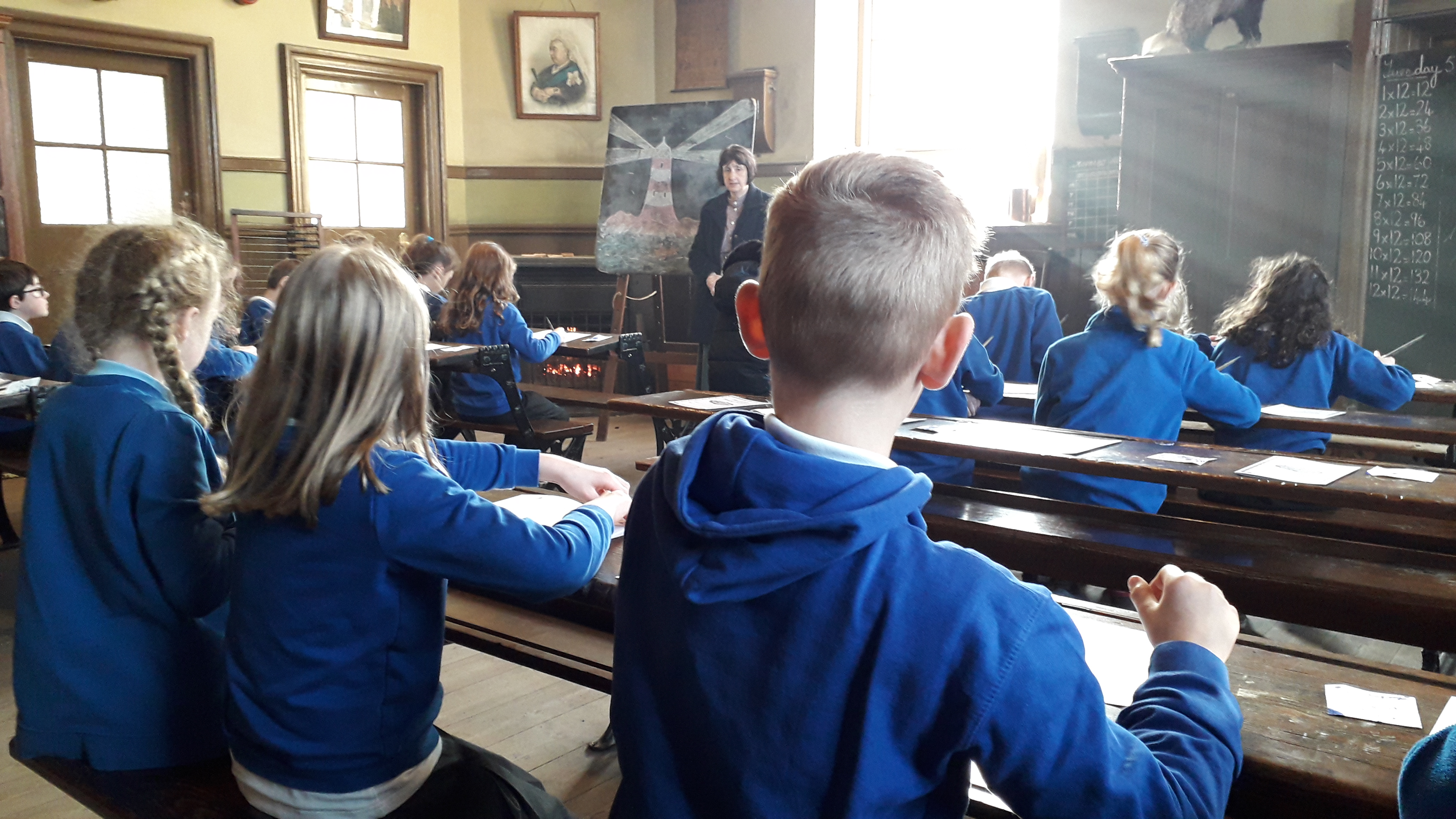
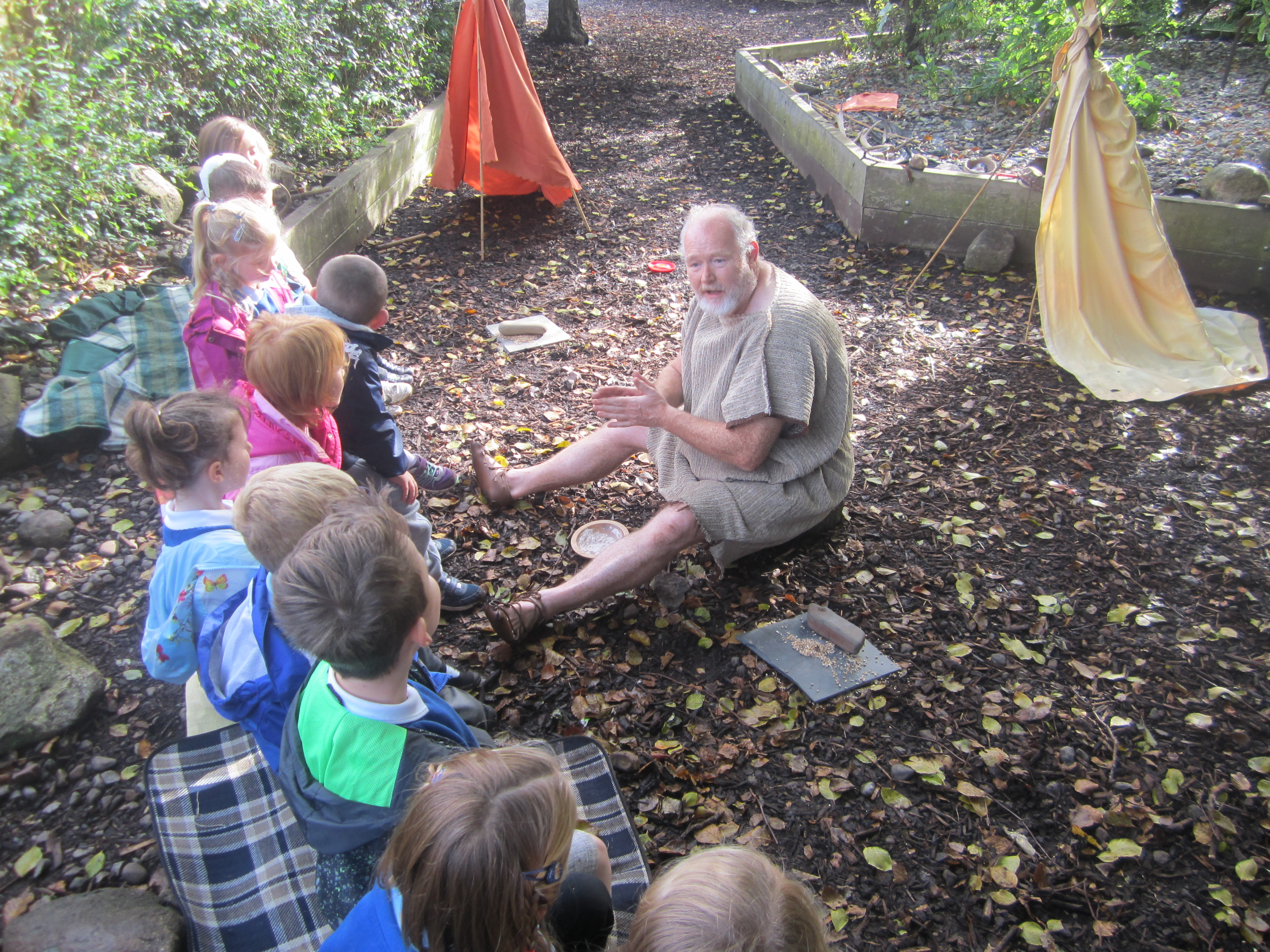
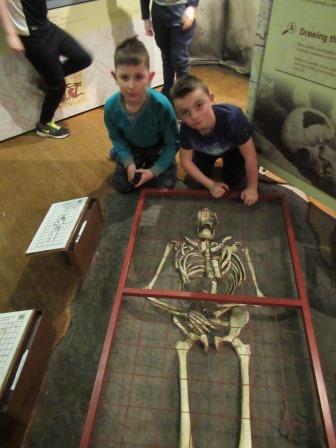
To enrich children’s learning, we offer memorable, engaging experiences that deepen their understanding of different historical periods. These include developing links with local museums such as Tullie House, and visiting important historical sites like Hadrian’s Wall and the Beamish Living Museum. We also welcome visitors into school, such as a Stone Age workshop leader or a World War II evacuee, and broaden learning further with trips to places like York’s Jorvik Viking Centre and the DIG archaeology experience.
Through these carefully planned opportunities, we aim to nurture children’s curiosity, build their historical knowledge, and inspire a lifelong interest in the past.
Implementation
At Temple Sowerby CE Primary School, history is delivered through a carefully structured sequence of termly or half-termly topics, organised within a four-year rolling programme that ensures full coverage of the National Curriculum. Due to our mixed-age classes, historical periods are not always taught in strict chronological order. However, our curriculum is designed so that pupils regularly revisit prior learning and make meaningful connections between different periods and themes. This approach enables children to build secure historical narratives, deepen their understanding over time, and confidently place new knowledge within a broader chronological framework.
As well as bespoke lessons, other cross-curricular opportunities arise regularly, whether through the use of timelines in maths, to the use of maps and atlases when learning about different world civilisations.
Impact
By the end of EYFS at Temple Sowerby C of E Primary School, children develop a growing awareness of the past and how it differs from the present. Through stories, real-life experiences, role play and exploration of artefacts, they begin to understand important events and the lives of people around them.
Children learn to talk about events in their own lives and those of their families, noticing how things change over time. They begin to use simple historical vocabulary such as yesterday, long ago and past. Pupils start to develop curiosity about how people lived and why things were different in the past, laying strong foundations for future historical enquiry in Key Stage 1.
By the end of Key Stage 1, children will be able to use vocabulary linked to the passing of time and apply a wide range of everyday historical terms with confidence. They will understand where the people, events and themes they have studied fit within a simple chronological framework, and they will be able to identify similarities and differences between ways of life in different periods.
Pupils will be able to ask and answer historical questions, selecting and using parts of stories and a variety of sources to support their ideas. They will develop an understanding of changes within living memory, as well as significant national and global events beyond living memory. Children will also learn about the lives of significant individuals from different periods who have contributed to national or international achievements, and they will gain knowledge of important historical events, people, and places in their own locality.
By the end of Key Stage 2, pupils will have developed a secure, wide-ranging knowledge of British, local and world history. They will be able to place the periods they study into a coherent chronological narrative and explain how different civilisations and historical eras relate to one another. Children will understand how features of past societies—such as culture, economy, politics, and beliefs—influenced people’s lives, and they will recognise the causes and consequences of significant events and developments.
Pupils will confidently use a broad historical vocabulary and will be able to construct informed answers and explanations, drawing on a wide range of evidence. They will know how to question the reliability of sources, consider different viewpoints and interpretations, and begin to understand the process of historical enquiry. Children will be able to select and organise relevant information to communicate their understanding in a clear, structured way.
Through this, pupils leave Key Stage 2 equipped with a strong foundation of historical knowledge, the curiosity to ask thoughtful questions about the past, and the skills needed to continue their learning successfully at secondary school
For further details of how history is taught at Temple Sowerby CE Primary School, including our long-term planning and progression documents, please see our policy below. You can also see our long-term plan and how this meets the requirements of the National Curriculum at our Curriculum Design page.