
Science
Subject Leader: Mr Farmer
Intent
At Temple Sowerby C of E Primary School, our science curriculum is designed to nurture children’s natural curiosity and inspire them to explore the world around them. We provide high-quality resources, practical hands-on experiences, educational visits, expert visitors, and rich opportunities to learn in our outdoor environment.
We aim to develop confident and enthusiastic young scientists who are encouraged to ask questions, investigate ideas, and think critically about the evidence they gather. Through learning about significant scientists from both the past and present, children begin to appreciate the importance of scientific discovery and understand how science shapes their own lives, their communities, and the wider world.
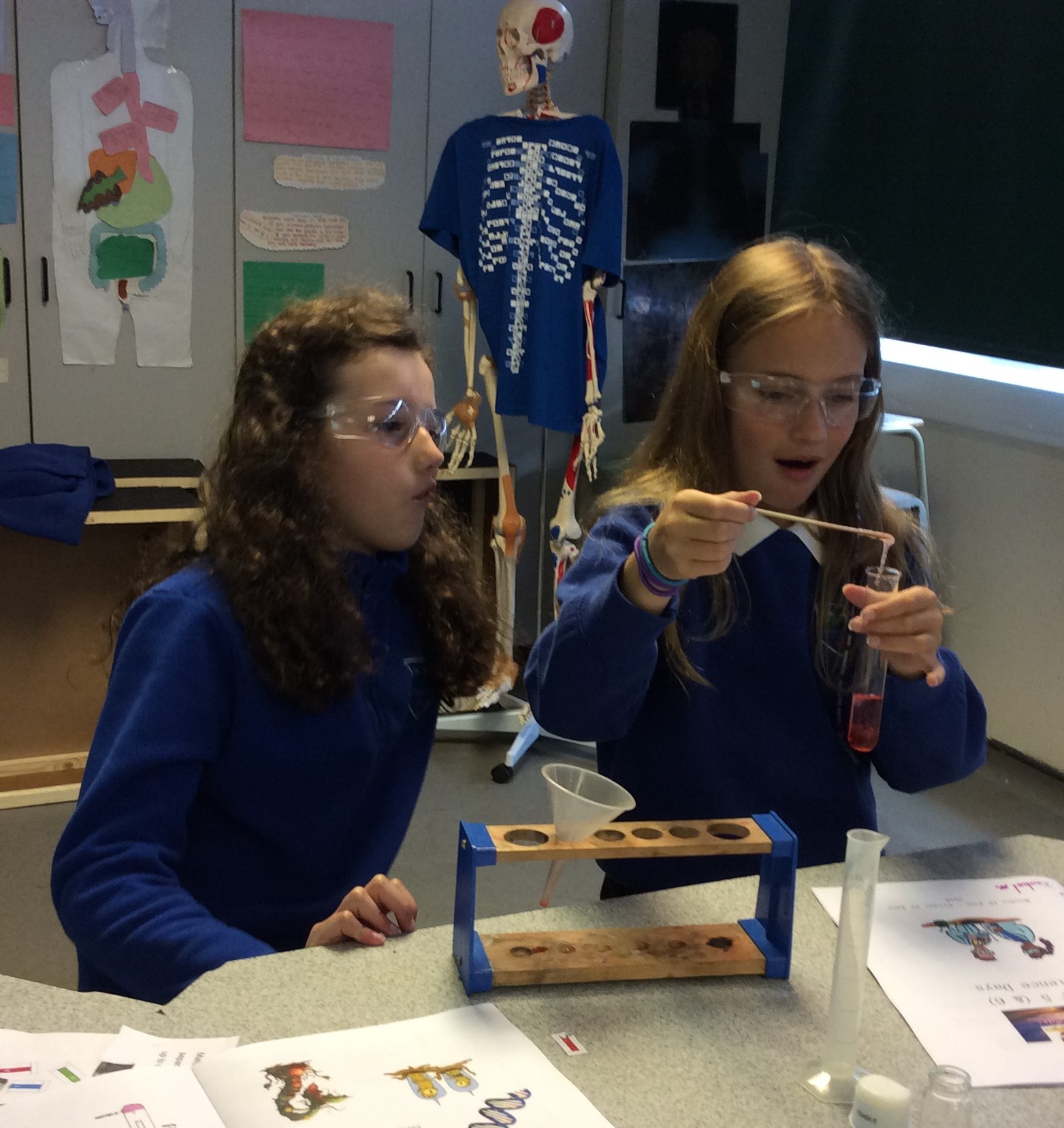
Our curriculum equips children with the skills needed to plan, carry out, and evaluate investigations independently and collaboratively. They learn to select appropriate resources, including digital tools, to support their enquiries. Above all, we strive to foster resilient, reflective learners who are motivated to explore, discover, and make sense of an ever-changing scientific world.
Implementation
Our science curriculum provides children with a broad and balanced understanding of key scientific concepts. Through a wide range of topics, pupils learn about the life processes of living things; the physical processes of materials, electricity, light, sound and forces; and the structure of the Solar System, including the Earth. Science is taught discretely each week, with pupils learning in mixed-age classes (Years 1/2, Years 3/4 and Years 5/6).
Learning in science is enriched through cross-curricular links, particularly with mathematics and design technology. Children regularly collect, present, and analyse data, applying their mathematical skills to strengthen their scientific understanding.
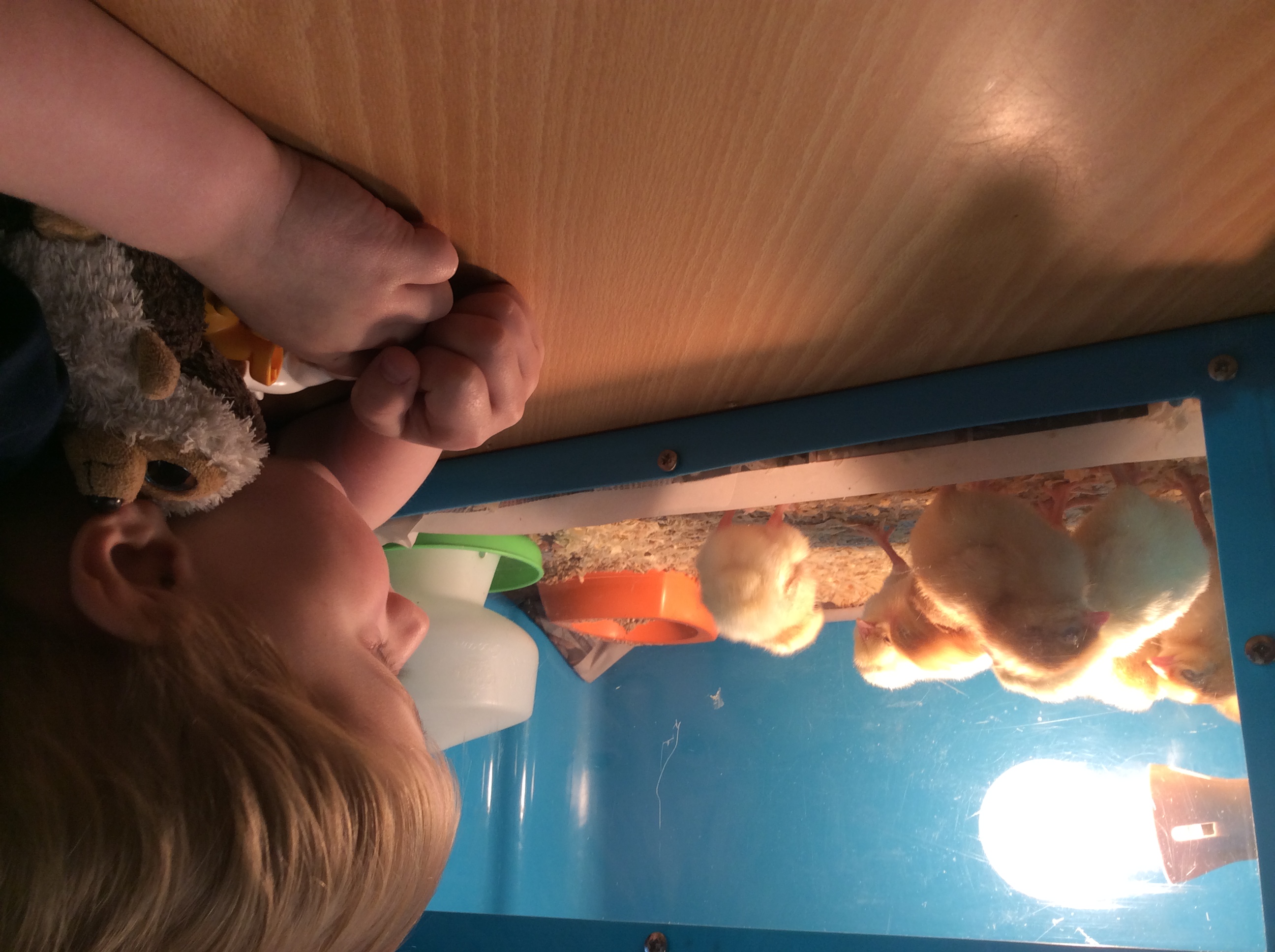
In the Foundation Stage, early scientific understanding is fostered through the prime area Understanding the World. Children are encouraged to explore their environment, notice changes, and ask questions about what they observe. This early curiosity is further nurtured through regular outdoor learning sessions, both within our school grounds and in the local area. Here, children experience the awe and wonder of the natural world, laying strong foundations for future scientific learning.
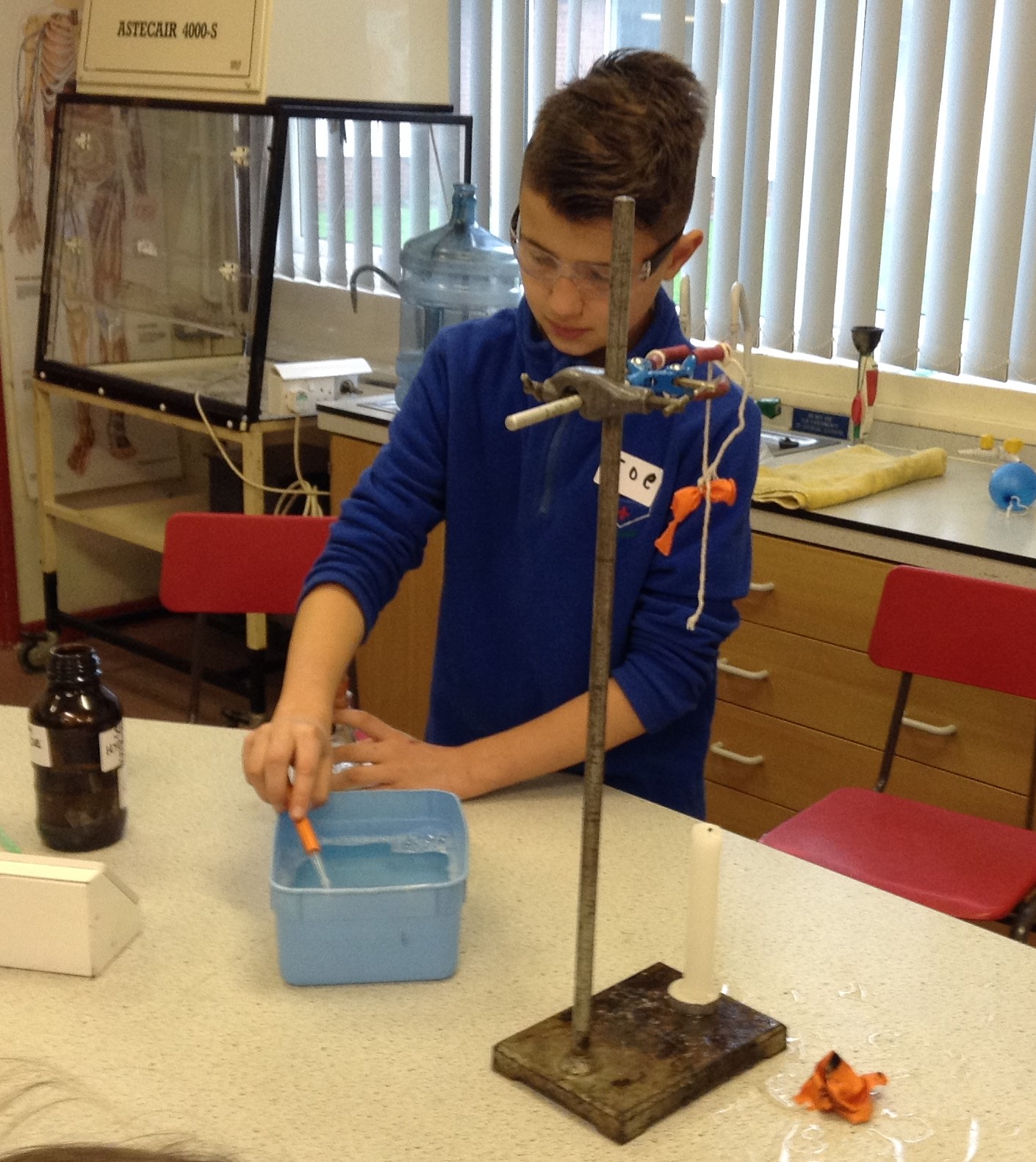
As children progress through school, their scientific experiences deepen as they are introduced to increasingly complex concepts. Their scientific knowledge and conceptual understanding develop across a broad range of topics within the disciplines of Biology, Chemistry and Physics. Pupils learn to work scientifically by asking questions, planning and carrying out investigations, and using evidence and modelling to establish and evaluate explanations.
To enhance and extend classroom learning, we provide a wide range of enrichment opportunities. These include workshops at local secondary schools, visits to museums such as the Newcastle Life Centre, and participation in virtual events including Royal Institution online sessions and STEM workshops. These experiences help to broaden children’s horizons, strengthen their enthusiasm for the subject and show science as a dynamic and relevant field.
Impact
By the end of EYFS, children will have explored and discussed similarities and differences in the world around them, including places, objects, materials and living things. They will talk about the features of their immediate environment and recognise how different environments may vary from one another. Children will make observations of animals and plants and begin to explain why some changes occur, developing early scientific curiosity and language.
By the end of Key Stage 1, children will have developed their scientific understanding largely through practical, first-hand experiences. They will use a range of simple scientific enquiry skills and be able to explain their ideas using appropriate scientific vocabulary. Pupils will ask and answer questions based on their observations, identify patterns and sort, group and classify living things. They will also carry out simple comparative tests to support their understanding.
By the end of Lower Key Stage 2, children will have broadened their scientific perspective through opportunities to explore, discuss, test and refine ideas about the world around them. They will discuss relationships between living things and their environments and continue to ask questions to extend their understanding. Pupils will begin to make informed decisions about which types of enquiry are most effective for answering particular questions. They will draw simple conclusions and use increasingly precise scientific language to present and discuss their findings.
By the end of Upper Key Stage 2, children will have developed a secure and wide-ranging understanding of scientific concepts. They will be able to analyse functions, relationships and interactions with increasing precision, and will encounter more abstract ideas to help them understand and predict how the world operates. Pupils will select the most appropriate methods of scientific enquiry to answer questions and will draw reasoned conclusions based on their observations and evidence. They will confidently justify their ideas using secure scientific knowledge and clear scientific reasoning, preparing them for the next stage of their scientific learning.
For further details of how history is taught at Temple Sowerby CE Primary School, including our long-term planning and progression documents, please see our policy below. You can also see our long-term plan and how this meets the requirements of the National Curriculum at our Curriculum Design page.